
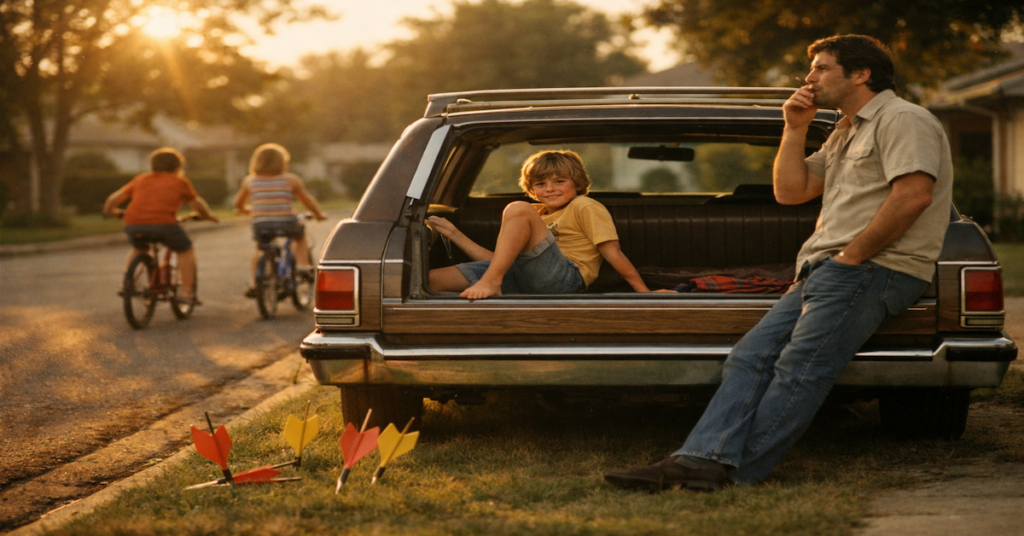
The 1970s weren’t that long ago—but in many ways, they feel like another world. Bell-bottoms ruled, ashtrays were everywhere, and rules were… flexible. Things that were once totally normal (and legal) would stop modern life dead in its tracks today.
Here’s a look back at some everyday things that were perfectly legal in the 1970s—but would raise eyebrows, fines, or outright bans now.
Smoking Almost Anywhere
In the 1970s, smoking wasn’t just common—it was expected.
You could legally smoke:
- On airplanes
- In hospitals
- In schools (yes, even teachers’ lounges… and sometimes classrooms)
- In offices, restaurants, and shopping malls
Ashtrays were built into armrests, desks, and waiting rooms. Secondhand smoke wasn’t a concern—it was just “the smell of life.” Today, indoor smoking bans and public health laws make this unthinkable.
Drinking and Driving (With Much Less Consequence)
Drunk driving laws technically existed in the 1970s, but enforcement was far looser.
- Blood alcohol limits were higher
- Breathalyzers weren’t widespread
- Sobriety checkpoints were rare or nonexistent
Many people openly admitted to driving “after a few” without fear of serious punishment. Modern DUI laws, strict BAC limits, and zero-tolerance policies changed everything.
Kids Riding in Cars Without Seatbelts
Seatbelts were optional—or ignored—in most of the 1970s.
- Kids rode in the front seat
- Babies were held on laps
- Station wagon cargo areas doubled as play zones
Child safety seats weren’t mandatory, and seatbelt laws either didn’t exist or weren’t enforced. Today, this would trigger multiple violations before the car even left the driveway.
Lawn Darts (The Original Kind)
The infamous lawn dart—a heavy metal spike with plastic fins—was a popular backyard toy.
They were legal, sold in toy stores, and marketed as family fun. It wasn’t until serious injuries (and worse) piled up that they were finally banned in the late 1980s.
In the ’70s? Totally normal.
Corporal Punishment in Schools
In many parts of the U.S. and other countries, corporal punishment in schools was legal and accepted.
- Paddling
- Rulers across knuckles
- Public discipline
Parents often supported it, and kids were expected to “learn their lesson.” Today, physical punishment in schools is banned or highly restricted in most places.
Letting Kids Roam Completely Unsupervised
In the 1970s, kids disappeared after breakfast and reappeared at dinner.
Legally and socially acceptable activities included:
- Walking miles to friends’ houses
- Riding bikes across town
- Playing unsupervised until dark
No phones. No check-ins. No questions. Today, the same behavior might result in police welfare checks or accusations of neglect.
Advertising Cigarettes on TV
Cigarette commercials were legal on television until 1971—and their influence lingered throughout the decade.
Ads featured:
- Doctors
- Athletes
- Celebrities
Health warnings were minimal, and smoking was portrayed as glamorous and healthy. Today, tobacco advertising is tightly regulated or banned outright in many countries.
Minimal Workplace Safety Standards
Many workplace safety laws we rely on today were either new or nonexistent in the 1970s.
- Limited protective gear
- Fewer inspections
- Casual attitudes toward hazards
OSHA itself was founded only in 1971. Before that, many dangerous practices were simply “part of the job.”
Gender Discrimination in Hiring and Credit
It was still legal—or barely challenged—to:
- Pay women less for the same job
- Refuse credit cards or loans to women without a husband’s approval
- Advertise jobs by gender
Major equal opportunity and credit laws didn’t fully take hold until the mid-to-late 1970s.
Leaded Gasoline Everywhere
Leaded gasoline was standard in the 1970s.
- Cars required it
- Health risks were downplayed
- Environmental impact was ignored
It wasn’t until later in the decade—and into the 1980s—that governments began phasing it out due to severe health concerns.
Hitchhiking Without Fear or Laws
Hitchhiking was widely accepted and often legal.
- College students did it
- Families picked up strangers
- Roadsides had fewer restrictions
Today, many places ban hitchhiking entirely due to safety and liability concerns.
Fireworks With Minimal Restrictions
In many areas, powerful fireworks were easy to buy and legal to set off at home.
Roman candles, bottle rockets, and M-80s were backyard staples. Modern laws heavily regulate consumer fireworks—or ban them outright.
No Helmet Laws for Bikes and Motorcycles (In Many Places)
Helmet laws were either nonexistent or optional.
Kids rode bikes helmet-free, and many motorcyclists did the same. Today, helmet laws are standard, and safety campaigns are everywhere.
A Different World Entirely
The 1970s weren’t reckless—just unaware. Many laws that protect us today were born from lessons learned the hard way.
Looking back, it’s a mix of nostalgia, disbelief, and gratitude:
- Nostalgia for the freedom
- Disbelief at the risks
- Gratitude for what we know now
If you lived through it, you probably didn’t think twice. If you didn’t—it probably sounds unreal.
And that’s what makes the ’70s so fascinating.